Smart Commercial Kitchen Design for Australian Cafés: Maximising Space Without Compromise
· 7 min read
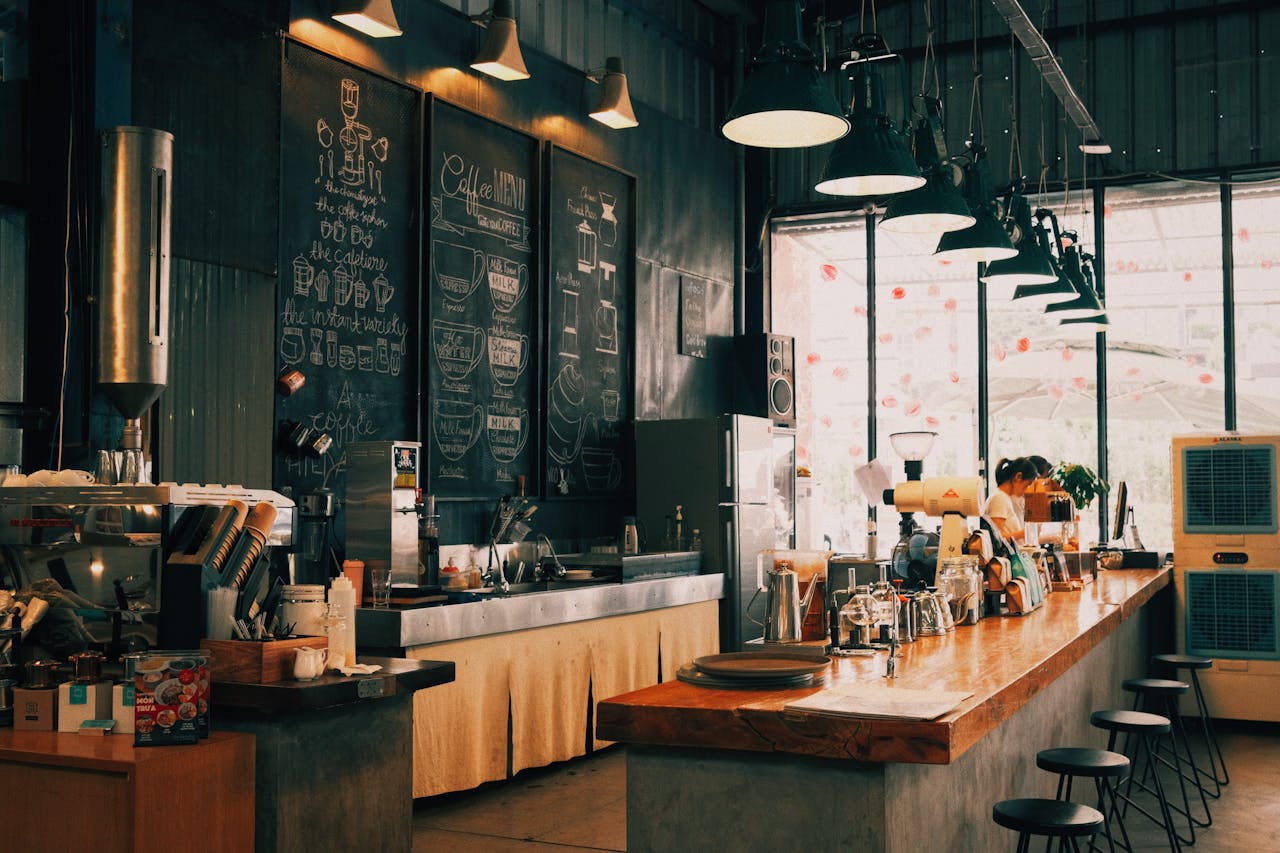
Within Australia’s ever-evolving café scene, space is no longer a luxury, but a constraint that calls for creative thinking. In Melbourne’s laneways, Sydney’s suburbs, and beyond, café owners are having to contend with reduced space while meeting escalating pressures on speed, quality, and consistency. With the popularity of dining destinations continuing to grow, many restaurants in Sydney are also looking for smarter ways to optimize kitchen layouts, improve efficiency, and deliver a better customer experience.
Designing a commercial kitchen is no longer just about fitting all the bits and pieces into a room; it is about crafting a highly efficient environment where workflow, storage, and service intersect in perfect harmony. A smartly designed kitchen is not just about saving space; it is about making your business more profitable, your staff less stressed, and your customers happier.
For café owners and operators, the problem is obvious: how to maximise space without compromising on performance?
Understanding the Real Cost of a Poorly Designed Kitchen
Before we get into the nitty-gritty of how to solve the problem, let’s first try to understand the cost of getting it wrong. What’s at stake when space is poorly utilized in a café’s kitchen?
- Staff waste valuable time moving between points in the kitchen.
- Food preparation is slowed down in the busy periods.
- Storage space is disorganized, causing unnecessary waste.
- Equipment positioning causes congestion.
In a busy Australian café, a matter of seconds may not seem significant. But when you calculate the cost of such seconds over a prolonged period, it adds up. What’s more disconcerting is that poorly designed kitchens also cause unnecessary fatigue on the staff. This can lead to a high turnover rate.
How Smart Kitchen Design Converts Limitations into Strengths
One thing that most café owners get wrong is designing their kitchens around their equipment rather than their workflow.
How to Design a Smart Kitchen
A well-designed kitchen should start by considering the flow of food. This is the first thing to get right in designing a smart kitchen. The flow of food should be such that every step leads logically to the next. This way, there’s no unnecessary backtracking.
For instance, the flow of food should be such that it moves easily from storage to prep to cooking to serving. This flow should not get disrupted in any way. This is especially important in smaller Australian cafés. Every second counts in such establishments.
The Role of Compact and Multi-Functional Equipment
In addition to space constraints, cafés also face the challenge of making smarter decisions when it comes to selecting the right equipment. This is because they are increasingly shifting towards compact and multi-functional equipment that offers performance without taking up space.
In this regard, spaces such as those under the bench and counter become very valuable. This is because they can be converted into high-functioning zones.
For instance, under bench fridges can become very valuable in small kitchens. This is because they can easily be integrated into existing workstations. This way, chefs and baristas can easily access their ingredients without having to move away from their workstation.
By integrating refrigeration into these zones, cafés can easily optimize their space without having to compromise on efficiency.
Zoning: The Foundation of an Efficient Kitchen
Zoning is one of the key elements in the design of a commercial kitchen. This is true even in small cafés. By creating different zones in the kitchen, cafés can easily optimize efficiency.
Some of the common zones in a commercial kitchen include:
- Storage (dry, chilled, and frozen)
- Preparation
- Cooking
- Plating and serving
- Cleaning and dishwashing
However, these zones must also be strategically positioned in such a way that they can easily flow.
In the small Australian café setting, ‘zoning’ does not always mean ‘different rooms’; it can mean ‘effective placement’ within a shared space. And that is where design is critical.
Vertical Space: The Most Underused Asset
When space is at a premium, there is only one way to go: upwards.
Vertical storage is one of the most efficient space-saving solutions for commercial kitchens. Wall storage units, hanging storage racks, and overhead storage units enable cafés to store essential equipment and ingredients within easy reach.
The downside of vertical storage is that it must be offset with ease of access. Frequent-use items must be placed within easy reach; less-frequently-used items can be placed higher up.
The combination of vertical storage with under-bench storage provides a multi-level approach to space management that fully maximizes space.
Design for Speed in Peak Periods
Australian café culture is built around peak periods: morning coffee runs, weekend brunches, and lunchtime rushes. And your kitchen design must be geared to these peak periods.
This means:
- Minimizing steps between work stations
- Ensuring adequate space for staff movement
- Locating ingredients within easy reach of staff
- Eliminating overlaps between work zones
Even small changes to your kitchen design, such as placing refrigeration units under work benches, can greatly speed up your staff's movement within the kitchen.
Design for speed is not just about speed; it is about eliminating the obstacles that slow your staff down.
Storage That Supports Freshness and Reduces Waste
Storage is not merely storage. It is also about maintaining product quality and minimizing waste.
For a café where ingredients are constantly being used throughout the day, access to fresh produce is vital. Inadequate storage can mean that ingredients are overlooked, temperatures are not maintained properly, and ultimately, they are discarded unnecessarily.
Integrated refrigeration systems, particularly under-bench refrigeration systems, can assist in eliminating this issue by providing access to ingredients where they are most needed.
For Australian cafes in an environment where food prices are increasing, this is a major advantage.
Flexibility for Changing Menus and Trends
For Australian cafes, menus are constantly changing. From seasonal menus to dietary trends, flexibility in the kitchen is essential.
A rigid design can severely limit your ability to introduce new items into your menu or to meet changing demands.
Flexibility in design can allow you to reconfigure your stations and equipment to meet changing demands. The objective is to ensure that your kitchen can grow with your business and not limit it.
Compliance and Safety Without Compromise
For Australian food businesses, health and safety regulations are very stringent. The design of your kitchen is an important part of this.
This includes:
- Appropriate separation between raw food and cooked food areas
- Adequate ventilation
- Easy-to-clean surfaces
- Appropriate placement of equipment
A well-designed kitchen not only fulfills these criteria but makes it easy to maintain them over time as well.
But most importantly, space optimization cannot be done at the cost of safety. The most efficient kitchen design will always be a combination of both.
Investing in Long-Term Efficiency
The temptation to save money on setting up a café is always huge, especially for first-time café owners. However, as discussed above, this will only cost more in the future.
A well-designed kitchen will always be worth the investment. This will not only make your business run smoothly but will also be beneficial in the future.
In a competitive market like Australia, this will make a huge difference.
Final Thoughts
A commercial kitchen design in Australia today is not only about fitting into a smaller space; rather, it is about utilizing that space to be more efficient.
By designing a kitchen that not only works well but is also efficient, café owners are not only helping themselves but are also creating a workplace that will ultimately lead to their business's success.
In an industry where every second counts, efficient design is not a choice; rather, it is a necessity.