The Best Software Tools for Running a Restaurant in 2026
· 9 min read
Running a restaurant has never been more operationally complex. Between rising food costs, staffing shortages, and diners expecting seamless digital experiences, the software stack you choose in 2026 can be the difference between a profitable operation and one that is constantly fighting fires. This guide breaks down the best restaurant software tools by category, including one powerful open-source option most operators overlook.
Why Your Software Stack Matters More Than Ever in 2026
The restaurant industry has gone through a structural shift. Inflation-driven food costs, the post-pandemic staffing crisis, and the explosion of online ordering have made it impossible to run a competitive restaurant on spreadsheets and gut instinct alone.
The good news is that 2026's restaurant tech landscape has matured significantly. AI-powered tools now handle scheduling, inventory forecasting, and even booking management. The trend is moving firmly away from a collection of disconnected apps toward integrated ecosystems where your POS talks to your inventory system, which talks to your accounting software in real time.
The bad news is that the market is crowded, and choosing the wrong tool at the wrong layer of your stack is an expensive mistake. Here is how to cut through the noise.
POS Systems
The Nerve Center of Your Operation
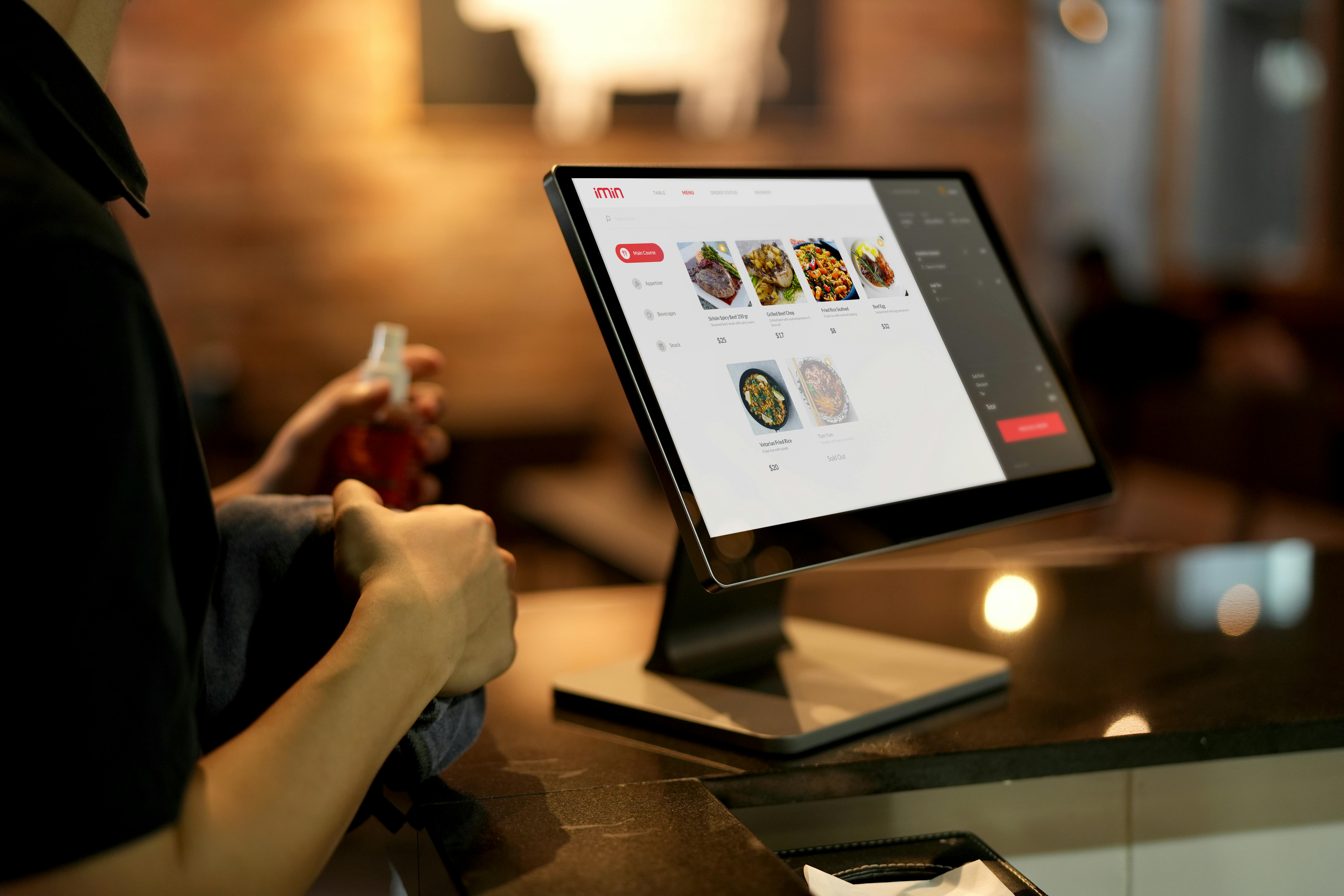
Your point-of-sale system is the foundation everything else is built on. Get this wrong and every other tool in your stack suffers.
Square for Restaurants is the best entry point for independent and small venues. It has a free tier, broad hardware compatibility, and enough functionality to run a simple operation without monthly fees eating into thin margins.
Toast is the strongest choice for complex, high-volume operations. At around $69/month, it includes native delivery and takeout management, offline mode, and kitchen display integration. It is built specifically for restaurants, and that depth shows.
Lightspeed Restaurant is built for multi-site brands with serious growth ambitions. Its inventory management and profit tracking tools are some of the most robust in the POS category, though the price reflects that.
SpotOn earns attention for its free plan that bundles a scheduling and payroll app natively, making it unusually strong for operators who want to control labor costs from inside their POS.
Clover is the go-to for full-service restaurants that prioritize durable hardware and team security features like fingerprint login at checkout.
Quick answer: For most independent restaurants in 2026, Toast or Square will cover 90% of what you need. Square if you are cost-sensitive, Toast if you are volume-sensitive.
Online Ordering
Why You Should Own Your Channel
Third-party platforms like Uber Eats and Deliveroo charge 15 to 30% commission per order. On a $25 meal with a 10% food margin, that math does not work. The smartest operators in 2026 are building their own ordering channels, and two tools make that straightforward.
TastyIgniter: The Best Free, Open-Source Ordering System
TastyIgniter deserves a much bigger spotlight than it typically gets. It is a free, open-source, self-hosted food ordering and restaurant management platform built on PHP. You install it on your own server, and from there you get a fully branded online ordering system, table reservation management, delivery zone controls, menu management, discount campaigns, and a customer-facing website, all with zero monthly fees and zero commission on orders.
The total cost is your hosting, typically a few euros or dollars a month. Choosing reliable server hosting ensures your ordering system stays fast and accessible during peak dining hours when traffic is highest.
It scores 4.5/5 on both G2 and Capterra, and it is actively maintained. For a tech-savvy independent restaurant owner, a developer building solutions for hospitality clients, or a multi-location operator trying to eliminate platform dependency, TastyIgniter is one of the most underrated tools in the entire industry.
The honest caveat is that it is not plug-and-play. You need some comfort with server management or a developer on call. It is also not a deep operations platform, so you will still want dedicated tools for staffing and accounting. But as a commission-free ordering engine, it is hard to beat.
UpMenu is the alternative for operators who want branded ordering without writing a line of code. It includes a ready-made app, loyalty programs, and delivery dispatch, all commission-free, starting at a modest monthly subscription.
Deonde Deonde is a complete restaurant ordering system that bundles your own white-label software, seamless POS integration, table management, and reservation booking into one powerful platform. As a fully unified online ordering system for restaurants, it includes built-in customer retention tools and eliminates hidden fees. You get the entire ecosystem under a single, transparent subscription—simply pay a flat rate for the software plan you choose without any extra charges.
Reservations and Table Management
Filling Seats Intelligently
The reservation software market in 2026 has split into premium discovery platforms and value-focused booking tools.
OpenTable remains the largest network, seating 31 million diners monthly. Its discovery reach is unmatched, but per-cover fees add up fast for high-volume venues. Best for restaurants that need to be found, not just booked.
Resy, backed by American Express, is the premium choice for fine dining. Its guest management tools and high-income diner demographic make it worth the $249/month starting price for the right establishment.
Tock is built for ticketed and event-driven dining, with prepaid reservation options that dramatically reduce no-shows. If you run tasting menus or experiential dining, this is your tool.
Resos is the best value play in 2026, offering a free tier with no per-cover fees on any plan and a clean modern interface that is aggressively undercutting the incumbents.
Anolla is the AI-first entry in this category, with a 24/7 booking assistant that speaks 25 languages and dynamic pricing tools. It claims to reduce administrative work by 8 to 10 hours per week, which is a meaningful number for a lean team.
Inventory Management
Where Restaurants Silently Lose Money
Food cost variance, the gap between what your recipes say you should be spending and what you are actually spending, is where most restaurants hemorrhage profit invisibly. Inventory software closes that gap.
Restaurant365 is the gold standard for multi-location chains. It combines inventory tracking with full accounting, payroll, and workforce management. Rated 4.6/5 on G2, it is the closest thing the industry has to a true all-in-one back-office platform.
Apicbase excels at recipe costing and real-time stock tracking across locations, with automated purchase orders, invoice OCR, and per-plate cost calculations. The effectiveness of invoice automation often depends on the underlying document parsing API, since accurately extracting line items, totals, and supplier data is essential for reliable inventory and purchasing workflows. It is the strongest tool for operators who compete on menu margin precision.
MarginEdge is built around invoice processing and POS integration. At $330 per location per month, it is not cheap, but for operators who process heavy supplier invoice volume, the automation pays for itself.
xtraCHEF by Toast is the free entry point for Toast POS users. It includes invoice OCR, automatic 86ing of out-of-stock items, and waste tracking, which makes it a no-brainer if you are already on Toast.
Staff Scheduling
Controlling Your Largest Variable Cost
Labor is typically 30 to 35% of a restaurant's total revenue. A scheduling tool that reduces overstaffing by even two shifts per week has a direct, measurable impact on your bottom line.
7shifts is the industry standard. It integrates with most major POS systems, handles tip pooling, tracks staff certifications, and lets managers build and adjust schedules in bulk. If you only adopt one scheduling tool, make it this one.
Deputy is the best option for compliance-heavy markets, with Fair Workweek alerts, a tip-pool calculator, and automated retention scoring to flag flight-risk employees before they quit.
Xenia combines scheduling with operational task management, covering opening and closing checklists, temperature logs, and maintenance requests alongside shift planning. It exports payroll data to QuickBooks, Gusto, and ADP.
Sling is the budget pick, with communication tools built in and a clean interface that most front-of-house teams adopt without pushback.
Marketing and Guest Retention
SevenRooms is the most complete guest experience and CRM platform in hospitality. It sits on top of your reservation data and builds detailed guest profiles, then automates personalized marketing campaigns off the back of them.
Malou is built specifically for restaurant groups and multi-location operators, covering local SEO, review management, and online presence across platforms from a single dashboard. Digital signage platforms can complement these tools by promoting offers on in-store screens.
Building Your Stack by Restaurant Size
The right combination depends on your scale:
- Solo operator or food truck: Square POS + TastyIgniter for online ordering + 7shifts for scheduling. Total monthly cost can be near zero.
- Independent single-location restaurant: Toast + Resos or Eat App + MarginEdge + 7shifts. Around $500 to $700/month for a fully capable stack.
- Multi-location or growing chain: Lightspeed or Toast + Restaurant365 + Anolla + Deputy + SevenRooms. A full integrated ecosystem with real-time data across every location.
Frequently Asked Questions
What is the best free restaurant management software in 2026? TastyIgniter is the strongest free option for online ordering and basic management. Square for Restaurants also has a free POS tier. For scheduling, 7shifts has a limited free plan for small teams.
Is TastyIgniter suitable for non-technical restaurant owners? Not without some help. It requires server hosting and basic configuration. Operators without technical comfort should consider UpMenu instead for commission-free ordering.
What software does a restaurant need at minimum? At a minimum: a POS system, an online ordering channel you own (not just a third-party aggregator), and a scheduling tool. Everything else scales from there.
What is the biggest restaurant tech trend in 2026? Platform consolidation. Operators are moving from five or six separate tools toward two or three deeply integrated systems that share data in real time, reducing the human error that lives in the gaps between disconnected software.
The non-negotiables in 2026 are simple: own your ordering channel, control your labor data, and make sure your POS talks to your inventory system. The operators winning right now are not necessarily using the most expensive tools. They are using the right tools, connected correctly, and actually reading the data those tools produce.