How Modern Tech Is Changing the Way We Experience Food: From Kitchens to Consumers
· 5 min read
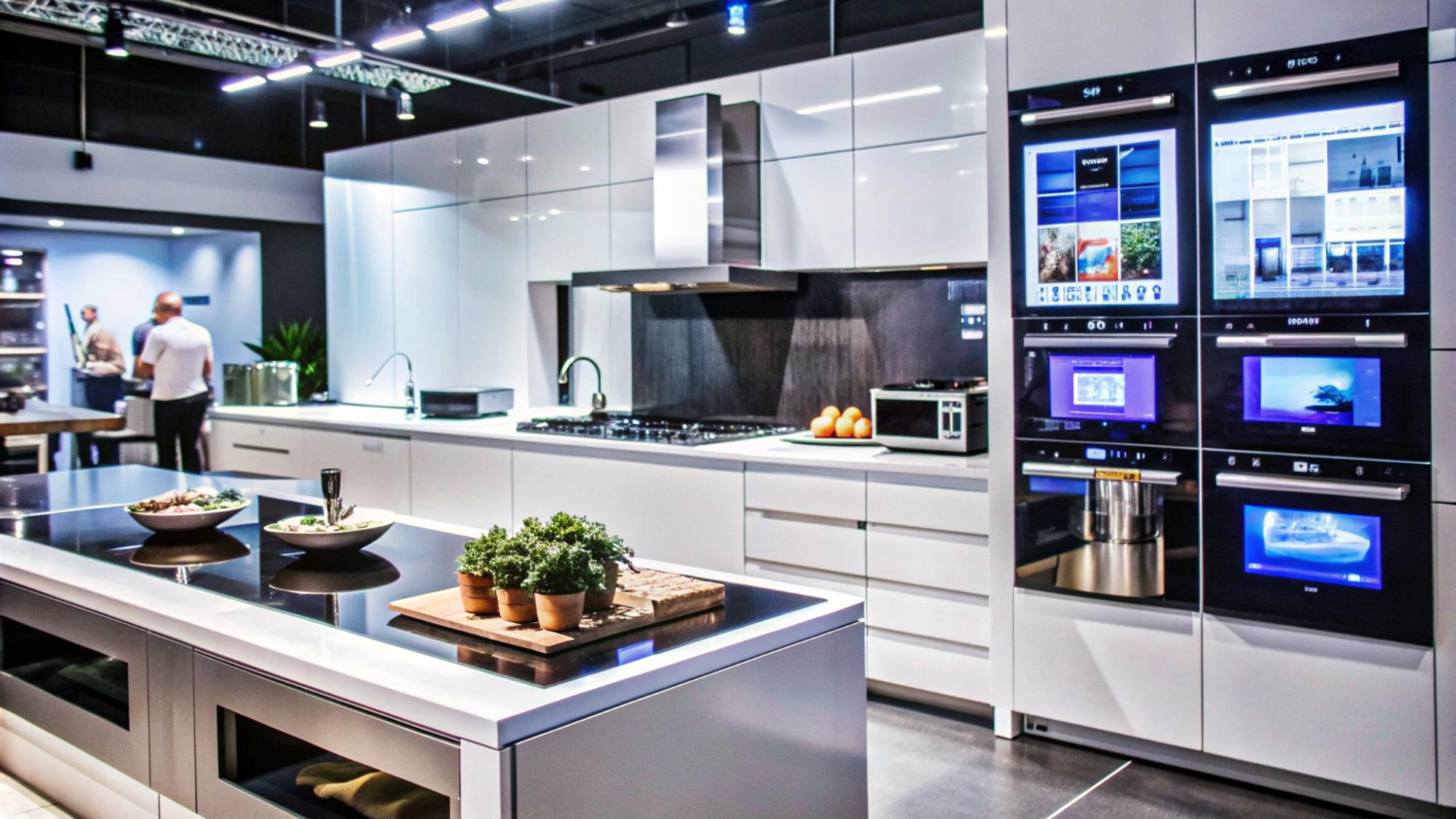
Smart kitchen appliances are the norm in homes, offices and food factories globally. Food apps are common among cooks, commercial food factory workers and food lovers. Food quality in gardens and farms has improved due to data tools and drones. The popularity of robot-powered services and cooking in restaurants increases daily
Advanced smart kitchen technology is taking root in food processing factories globally. The use of food delivery technology, virtual restaurants, and AI in nutrition has never been the way it is today. People use technology for safer, faster, and convenient interaction with food.
Combining food production and smart technology: The answer to sustainability
Smart technology is improving food sustainability solutions, allowing farmers to produce more. Manufacturers use tech to process food that stays fresh for many days. Farmers use smart tools to farm, which reduces pollution. Many benefits accompany this combination, from healthier crops to soil, and environment. People eat healthier meals today because of guidance and meal suggestions from tech like the Apple Watch.
There are many Apple Watch versions in the market, providing different features and advantages. You can choose the right version if you understand the Apple Watch generations in order. The older Apple Watch generations have fewer features and lack the latest technology. Users feel more comfortable using the latest models because of their quality features. You will enjoy using this technology, whether you choose the oldest series 1 or the latest SE models. You only need to understand how each feature works and its benefit to you.
AI-powered drones monitor farms for diseases, changes in soil PH, and moisture. A variety of commercial and individual users can use weather apps to predict patterns. For example, farmers use them to create more sustainable farming methods while transportation companies use them to predict routes.
Smart technology is useful in the supply chain, ensuring raw and finished products move smoothly. Manufacturers apply in their systems, ensuring utmost food safety. This technology improves everything, from growing food to harvesting, manufacturing, and consumption.
Digital innovations for smart kitchen: A redefined food access and experience
Initially, smartphones played a critical role, allowing people to communicate through pocket-friendly devices. The role of the smartphone changed sooner and included apps for ordering food and learning nutrition. It is no longer necessary to walk or drive to restaurants to order food because it can be done from home.
Food delivery technology offers wide menu selections, active engagement, tracking, and feedback. Virtual restaurants use smart kitchen technology to prepare food based on customer demands. This allows consumers to order meals at reduced prices, offering diversity and fresh meals.
The modern AI in nutrition allows people to search for options and get suggested meals based on historical searches and the preference they set for themselves. These apps provide personalized nutrition and unique dining experiences. Machine learning and immersive technology allow customers to test the latest smart kitchen appliances. People can also use their smartphones to make more informed choices when upgrading their everyday technology. Tools that let users compare iPhone models can help them identify the device and features that best fit their cooking, food-ordering, and nutrition-app needs. They can order the latest brands at lower risk and greater convenience.
Food delivery technology and AI data: Reshaping trends and preferences
AI data is changing the way food delivery technology works, allowing big data to improve customer service and trends. Companies no longer rely on delivery apps alone, but connect to social media too. AI and delivery technology affect the supply chain and service delivery in many ways.
- These channels help them receive reviews, gather more data, and understand trends.
- AI allows virtual restaurants and food manufacturers to design fresh recipes, redefine product sourcing and storage and meet market needs.
- Chefs define new recipes, improve flavors, and prepare food for various needs.
- Farmers produce food based on changing user preferences. They may grow food for weight management, special medical needs, and unique cultural needs.
- AI data presents trends from across the globe, allowing producers, manufacturers and cooks to showcase dynamism in food culture.
Revolutionized home cooking: The impact of smart kitchen technology
You will find voice powered ovens, cookers and many latest smart kitchen appliances in most homes. These tools are not for showcasing the homeowner’s class, but for enhanced cooking and food quality. Users improve their health by integrating other smart tech like the Apple Watch for accurate monitoring.
Home cooking is changing with apps like meal planners useful for groceries shopping and weekly meal plans. Smart kitchen tech has many advantages, including convenience and improved budget controls.
Conclusion
Experience on dining tables, food processing, and delivery has changed, thanks to the dynamic smart kitchen technology. It is easier to use apps to place orders and track deliveries within the supply chain. AI powers mart kitchens, recipe development, and connection with virtual restaurants. Dynamic technology improves food sustainability, quality, and the introduction of new products.