How to Manage a Restaurant Business Successfully
· 16 min read
You know the feeling. It's 2 PM on a Tuesday, and you're already behind. The line cook called in sick, your food costs are higher than last month, and you just realized you forgot to order tomatoes for tonight's dinner rush. Running a restaurant can feel like juggling while riding a unicycle, and the statistics aren't encouraging. About 60% of new restaurants fail within their first year, and 80% close before their fifth anniversary.
This guide is for independent restaurant owners and first-time managers who want to turn chaos into control. You'll learn how to manage a restaurant successfully by mastering the fundamentals: finances, operations, staff leadership, customer experience, and smart marketing. By the end, you'll have practical systems you can implement this week to run your restaurant like a real business, not just a passion project that bleeds money.
Plan Your Restaurant Like a Real Business
Most restaurants fail because they're run on vibes instead of numbers. You need to track specific metrics every week, not just hope things work out. Start with these five numbers: total revenue, food cost percentage, labor cost percentage, prime cost (food plus labor), and actual cash in the bank. If you don't know these numbers off the top of your head, you're flying blind.
Set up a simple weekly review routine. Every Monday morning, look at last week's sales, calculate your food and labor costs as percentages of revenue, and compare them to your targets. Most successful restaurants aim for 28-35% food cost and 25-35% labor cost, giving you a prime cost under 65%. These aren't just random benchmarks. They determine whether you make money or slowly go broke.
Hitting a 25-35% labor cost target is hard because restaurant labor doesn't behave like office labor. Tip pools, tip-outs, split shifts, and last-minute call-outs all interact inside the same shift, and generic workforce tools treat them as edge cases that get patched in with spreadsheets after the fact. 7shifts was built specifically for restaurants and brings scheduling, time tracking, team communication, tip management, and payroll into one system.
That matters for the weekly labor review most managers already run: the cost impact of a schedule shows up while it's still a draft, not two weeks later on a payroll report. Turnover math shifts too, since fair, predictable scheduling is one of the cheapest ways to keep good staff, and losing someone runs $2,000 to $3,000 plus weeks of lost productivity. Restaurants in the US and Canada that unify these workflows spend less time reconciling and more time on the floor with their team.
Planning ahead saves you thousands of dollars and countless headaches. When you know next week's reservations and weather forecast, you can schedule the right number of staff and order the right amount of food. This beats scrambling at the last minute, paying overtime, or throwing away spoiled ingredients. Use a simple spreadsheet or basic restaurant management software to forecast your needs two weeks out.
Pairing mentor advice with reliable financial education resources helps too. As the editors at The Currency put it: ""Small business owners who regularly engage with personal finance content make faster, more confident financial decisions — not because they're experts, but because they've built a framework for thinking about money."" For restaurant owners juggling a dozen financial variables at once, that framework is exactly what turns weekly number reviews from a chore into a competitive advantage."
Implement the proper tools from day one. You need basic accounting software, a system for tracking inventory, and a way to forecast sales and cash flow. For restaurant software providers that need to connect these systems, an accounting API can simplify integrations with platforms like QuickBooks and other accounting tools. As restaurants grow and their financial operations become more complex, using Accounting software for midsize businesses can help streamline reporting, expense tracking, and day-to-day financial management. These tools aren't optional luxuries. They're what separate profitable restaurants from the ones that close after a year of "trying their best."
Design a Profitable Menu and Smart Inventory System
Your menu and inventory are connected like twins. Every menu item you add means more ingredients to track, more things that can spoil, and more complexity in the kitchen. Smart restaurant menu management starts with streamlining your offerings to focus on what actually sells and makes money.
Pull your sales reports and identify your top 10 items. Now look at your bottom 10. Are those slow sellers worth the inventory space, prep time, and mental bandwidth they consume? Probably not. Cut or consolidate them. One Italian restaurant dropped from 45 menu items to 28 and saw food costs fall by 4 percentage points. Their kitchen moved faster, waste dropped, and customers actually ordered more because they weren't overwhelmed.
Here's how to streamline menu planning effectively. Choose ingredients that work across multiple dishes. If you're buying fresh basil for one pasta dish, make sure it's also in your caprese salad and pizza toppings. This cross-utilization reduces waste and simplifies ordering. Build your menu around your chef's signature dishes and reliable sellers, not exotic items that require special ingredients you use once a week.
Restaurant inventory management doesn't need to be complicated. Start with par levels for your top 20 ingredients. A par level is simply the minimum quantity you should have on hand before reordering. For example, if you use 10 pounds of chicken breast per day and your supplier delivers twice weekly, your par might be 35-40 pounds (covering 3-4 days plus a buffer).
Count inventory at least weekly, ideally on the same day each time. Monday morning works well because it follows the weekend rush. This regular schedule helps you spot theft, waste, or ordering problems before they destroy your margins. Be smart about purchases by ordering based on actual usage data, not gut feelings or supplier minimums that sound like a good deal.
Here's a concrete example. A breakfast café was ordering 50 pounds of bacon every week because it seemed "about right." After tracking actual usage for a month, they discovered they only needed 35 pounds. The other 15 pounds either spoiled or got used for staff meals. That one change saved them $3,600 annually. Multiply that across all your ingredients, and you see why inventory control matters.
Build and Lead a Strong Team
Your restaurant's success depends on the people you hire and how you lead them. Bad hires cost you in training time, poor service, customer complaints, and the stress of constant turnover. Good hires multiply your effectiveness and make the restaurant run smoothly even when you're not there.
When hiring front-of-house staff, look for people with genuine hospitality instincts, not just those who need a job. During interviews, ask candidates to describe a time they went out of their way to help someone. Listen for specific examples and genuine enthusiasm. Check references carefully, and do a working interview where they shadow your best server for a dinner shift. You'll learn more in three hours than in ten interviews.
Hire an experienced chef or kitchen lead if you're not a trained cook yourself. This person controls your food quality, consistency, and kitchen costs. They should know how to build recipes with proper costing, train line cooks efficiently, and maintain health and safety standards without you micromanaging. Yes, experienced chefs cost more, but they save you money by reducing waste, preventing health violations, and keeping quality consistent.
Create a simple training checklist for each position. New servers need to learn your POS system, menu descriptions, wine pairings, table numbers, and service standards. Break this into a 5-7 day plan with specific tasks each day. Don't just throw people on the floor and hope they figure it out. That's how you lose good employees and frustrate customers.
Communication makes everything else work. Hold a 10-minute pre-shift meeting before every service. Cover today's specials, what's 86'd (sold out), large parties on the books, and any service issues from yesterday. This keeps everyone aligned and prevents the "nobody told me" excuses that hurt service.
Learn to delegate, or you'll burn out within a year. You cannot personally greet every table, expedite every ticket, handle all the scheduling, place all the orders, and fix the toilet. Train your assistant manager to handle scheduling and daily ordering. Let your head server run the floor during service. Teach your kitchen lead to manage prep lists and food costs. Your job is to oversee the systems, not do everything yourself.
Appreciate your staff regularly and specifically. Public praise during pre-shift meetings ("Sarah handled that difficult table perfectly last night") costs nothing and builds morale. Small rewards matter too: covering someone's shift meal, giving out gift cards for exceptional service, surprising a team member with a peony bouquet, or simply listening when they have ideas for improvement. Fair scheduling that respects people's lives reduces turnover. High turnover is expensive. Every time someone quits, you lose 2-3 weeks of productivity and spend $2,000-3,000 to recruit and train a replacement.
Run Efficient Day-to-Day Operations
Efficient restaurant operations mean getting food from the kitchen to the table quickly, accurately, and without drama. It's about clear roles, smooth workflows, and the right tools supporting your team. When operations run smoothly, customers are happy, staff are less stressed, and you make more money.
Map out your basic workflow from the moment a customer orders to when they pay and leave. Where are the bottlenecks? Is your kitchen slammed because servers are entering orders incorrectly? Are tables sitting empty because hosts don't have a clear seating chart? Are payments slow because your POS system is outdated? Find these friction points and fix them one at a time.
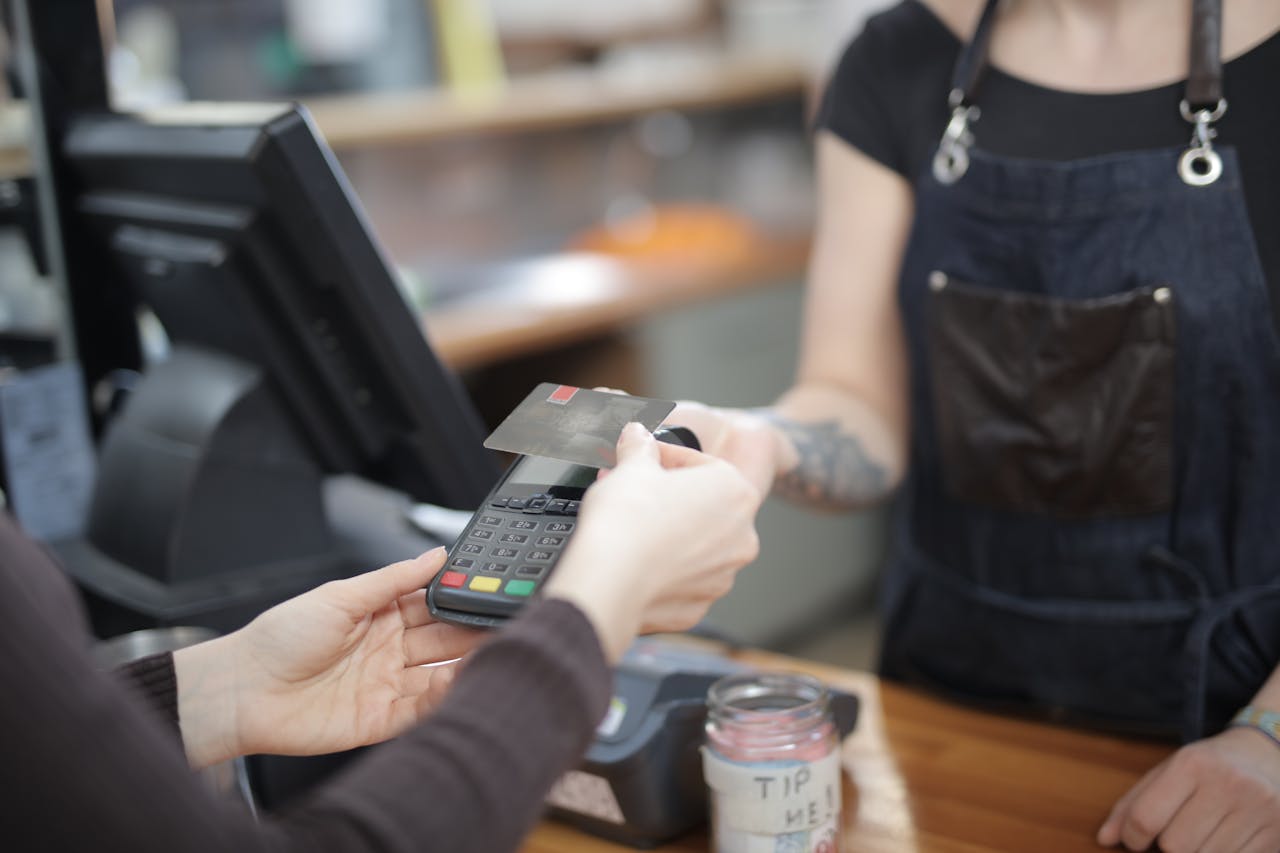
Invest in a great POS system that does more than just process payments. Modern systems track sales by item, time, and server. They manage inventory, identify your best sellers, and show you labor costs in real time. They integrate with online ordering and reservations. Solutions like restaurant order software by Blogic Systems help streamline in-house, takeout, and online orders into one centralized system, reducing errors and giving managers better visibility into real-time performance. A good POS is like having an extra manager who never sleeps. Yes, they cost $100-200 monthly, but that investment pays for itself by reducing mistakes and giving you data to make smarter decisions.
Physical security is another area that restaurant owners should not overlook, especially for businesses handling cash, alcohol, and late-night operations. Modern commercial security systems help protect kitchens, storage rooms, entrances, parking areas, and employee-only spaces while reducing theft and unauthorized access. Platforms such as Coram AI combine AI-powered video surveillance, cloud management, intelligent search, real-time alerts, and centralized monitoring, allowing managers to verify incidents quickly without replacing their existing IP cameras. By integrating physical security with everyday operations, restaurants can improve safety for both employees and customers while maintaining smoother business continuity.
Implement the proper tools for different parts of your operation. Use scheduling software to avoid over-staffing and under-staffing. Use a digital reservation system so you're not juggling phone calls and a paper book. Use simple inventory tracking, even if it's just a shared spreadsheet. Use kitchen display systems instead of paper tickets if you have the budget. Each tool should solve a specific problem and make someone's job easier.
Improve restaurant workflow efficiency by defining clear roles during service. Who's greeting guests? Who's running food? Who's managing takeout orders? When everyone knows their lane, service flows instead of collapsing into confusion. During busy shifts, have your strongest server "quarterbacking" the floor, coordinating tables and helping newer staff.
Attention to detail prevents costly mistakes and builds your reputation. Create opening and closing checklists so nothing gets missed. A missed prep task means you run out of something during service. A dirty restroom costs you customers who never come back. Inconsistent plating makes your food look unprofessional. Clear table numbering prevents wrong orders. These small details compound into either a tight operation or a sloppy mess.
Create a Consistent, Customer-Focused Experience
Customer focus means putting yourself in the guest's shoes at every step of their visit. It starts before they walk in (how easy was it to make a reservation?) and continues after they leave (did you thank them and invite them back?). Restaurant customer service isn't just being polite. It's actively managing the entire experience so people want to return and tell their friends.
Train your staff to greet guests within 30 seconds of being seated. A simple "Welcome, I'll be right with you" prevents that awkward feeling of being ignored. If there's a wait, give realistic time estimates and update people every 10 minutes. Honesty builds trust. Vague promises ("just a few more minutes") repeated five times make people angry.
Teach your team to fix small problems on the spot without running to you. If someone's steak is overcooked, apologize immediately, replace it quickly, and consider comping the entrée or dessert. This costs you $15-20 but saves a customer relationship worth hundreds over time. Empower servers to make these calls up to a certain dollar amount.
Capture feedback actively, not just when people complain. Ask tables how everything is during their meal. Read your online reviews weekly and respond to both positive and negative ones. Thank people for kind words. Address complaints professionally and invite unhappy customers to give you another chance. This shows you care about customer experiences beyond just taking their money.
Be consistent in everything you do. Consistency is what turns first-time visitors into regulars. Your Tuesday lunch special should taste the same as last Tuesday's. Your service quality shouldn't depend on which server someone gets. Your music volume and lighting should match your concept every day, not swing wildly based on who's managing. Guests should know what to expect.
Create a positive atmosphere through thoughtful details. Music should match your concept and be at a volume where people can talk comfortably. Lighting should be bright enough to read the menu but dim enough to feel intimate. Cleanliness matters everywhere, especially bathrooms. Your staff's attitude and energy set the mood. Train them to smile genuinely, move with purpose, and treat every table like they're glad they're there.
Market Your Restaurant and Keep It Fresh
You can't rely on walk-by traffic and word of mouth alone. Smart restaurant business management includes consistent, sustainable marketing that keeps your name in front of potential customers. You don't need a huge budget or a marketing degree. You need a simple plan and the discipline to execute it weekly.
Use social media as your main marketing channel because it's free and direct. Pick one or two platforms where your customers actually spend time (Instagram and Facebook work for most restaurants). Post 3-5 times per week with a mix of content: daily specials, behind-the-scenes kitchen shots, staff spotlights, beautiful food photos, and happy customers (with permission).
Show your personality and humanize your brand. People connect with people, not logos. Film a quick 30-second video of your chef explaining tonight's special. Post a photo of your team celebrating someone's birthday. Share a story about where you source your ingredients. This builds connection and gives people reasons to choose you over the chain restaurant down the street.
Experiment with fun promotions that bring people in without destroying your margins. Here are six ideas:
- Themed dinner nights (Italian night, taco Tuesday, wine pairing events)
- Limited-time seasonal menu items that create urgency
- Loyalty programs (buy 9 entrées, get the 10th free)
- Kids eat free on Sunday nights to fill slow periods
- Collaboration with local breweries or wineries for special events
- Birthday club where people get a free dessert during their birthday month
The key is testing small, measuring results, and doubling down on what works. Track how many people come in for each promotion and whether they're profitable. A "50% off everything" promotion might fill your restaurant but lose you money. A "$5 appetizer with any entrée purchase" might work better.
Connect your marketing to the actual in-restaurant experience. If you post gorgeous food photos online, make sure the real plates match. If you run a promotion, ensure your entire staff knows about it and can explain it confidently. Appreciate your staff publicly on social media too. It makes them feel valued and shows potential hires that you're a good employer.
Put It All Together - A Simple Weekly Management Routine
Bringing it all together means creating a repeatable routine that touches every part of your restaurant. You need one quick daily checklist and one deeper weekly review. Consistency in how you manage creates consistency in results.
Your daily checklist (5-10 minutes each morning):
- Check yesterday's sales and compare to target
- Review today's reservations and forecast covers
- Confirm food orders are arriving on time
- Walk through the restaurant looking for maintenance issues
- Touch base with your opening manager about any concerns
Your weekly management routine (60-90 minutes, same day each week):
Finances: Review total sales, food cost percentage, labor cost percentage, and cash position. Compare to last week and last month. Identify any unusual spikes or drops.
Inventory: Count your key ingredients or do a full inventory. Calculate waste and identify ordering adjustments needed. Review upcoming menu needs.
Staff: Check the next two weeks' schedule for holes. Review any incidents, customer complaints, or exceptional service moments. Plan any training needs or one-on-one check-ins.
Operations: Review your POS data for best sellers and slow items. Look at average ticket times and identify any service bottlenecks. Update your opening/closing checklists if needed.
Marketing: Post your social media content for the coming week. Plan any promotions or events. Respond to online reviews you haven't addressed yet.
This weekly rhythm keeps small problems from becoming big emergencies. You'll spot a cost trend before it ruins your month. You'll catch a staffing issue before you're short-handed on Saturday night. You'll notice a dip in sales and adjust your marketing instead of wondering why revenue is down.
Small, consistent improvements compound over time. You don't need to fix everything today. Pick one or two changes from this guide and implement them this week. Next week, add another. In six months, you'll have transformed how you manage your restaurant.
Start Managing Your Restaurant Like a Pro
Learning how to manage a restaurant successfully isn't about working harder or longer hours. It's about working smarter with better systems, clearer metrics, and a trained team that executes your vision consistently. The restaurants that survive past year five are the ones that treat management as a learnable skill, not just something you wing every day.
You now have a framework covering financial management, menu and inventory control, staff leadership, operational efficiency, customer experience, and marketing. Pick two specific actions from this guide that would make the biggest immediate difference in your restaurant. Implement those this week. Then come back and pick two more.
The chaos doesn't disappear overnight, but it becomes manageable when you have systems, routines, and the right mindset. Your restaurant can be both a passion project and a profitable business. The difference is in how you manage it.