3 Restaurant Furniture Decisions That Can Impact Your Bottom Line
· 5 min read
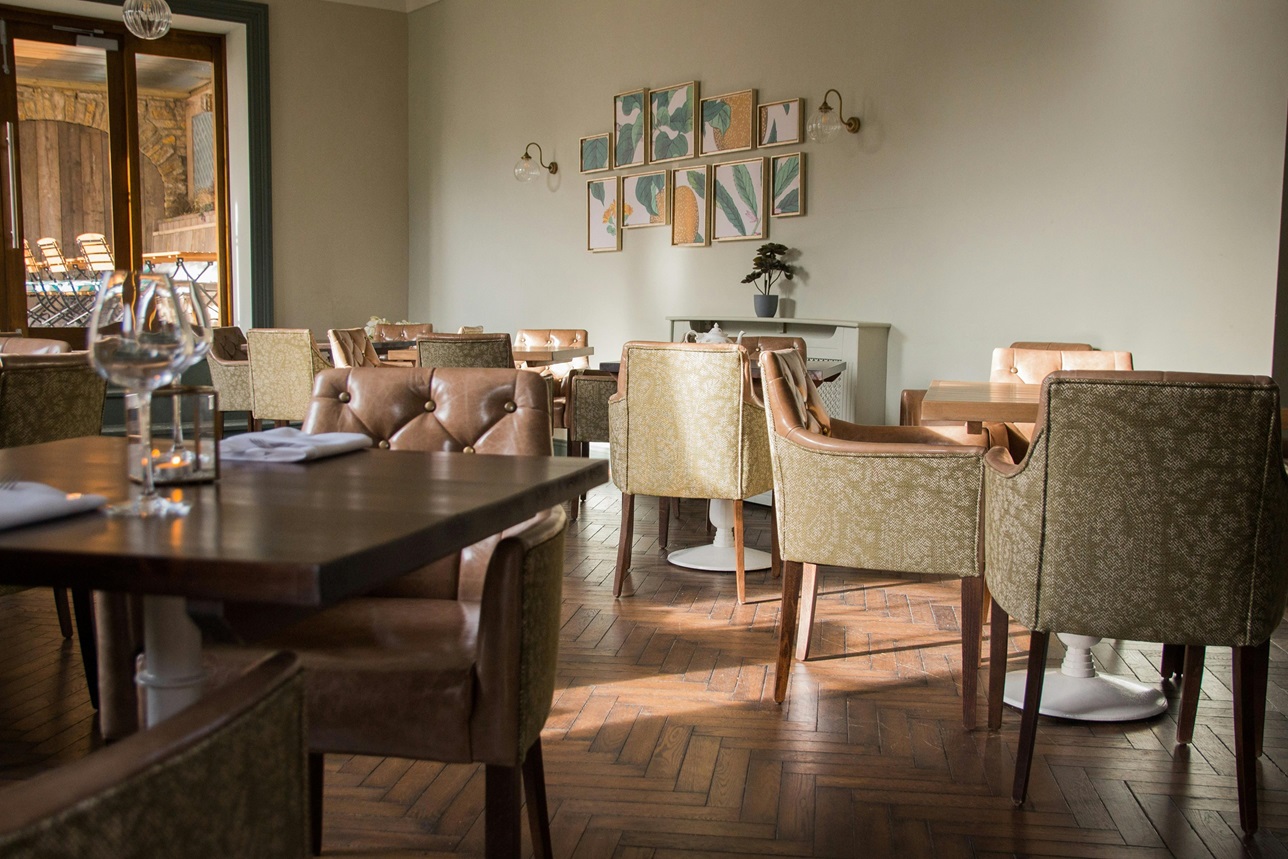
As a restaurant owner, you pour your heart (and budget) into the menu, the service, and that perfect ambiance that makes guests feel at home. But what about your furniture? This one element of your restaurant works harder than almost any other.
The chairs your guests sink into and the tables they gather around aren’t just décor. They are profit tools. The right furniture choices can quietly boost your revenue and slash long-term costs, while the wrong ones quietly drain your margins without you even noticing.
In 2026, this matters more than ever because GenX and Baby Boomers are pulling back their spending on dining due to economic pressures. Low and middle-income households in these groups show the sharpest decline in spending.
Creating a comfortable, efficient, and value-driven space has become essential to keep tables full and checks growing. Smart furniture decisions help you do exactly that.
Here, we will walk you through some restaurant furniture decisions that impact your bottom line.
#1 Choosing Comfort Along With Style
Style gets all the Instagram love, but comfort is what keeps the cash register ringing. When seating feels supportive and ergonomic, people stay. They order that extra appetizer, dessert, or round of drinks and chat longer with friends. This means you get better reviews and repeat visits.
A 2025 ResearchGate study on restaurant atmospherics found strong correlations between physical comfort, such as seating, and both satisfaction and behavioral intentions like revisiting or recommending the spot.
Think about the small details that make a huge difference. Seat height should let feet rest flat on the floor, around 18 inches for standard dining chairs. Cushions with just the right amount of “give” (not too soft, not rock-hard) prevent that numb-leg feeling after 30 minutes.
Don’t dismiss aesthetics. A disjointed visual identity can quickly erode your brand’s perceived value. Choose pieces that reflect your concept (industrial metal for a trendy loft vibe, warm wood and upholstery for upscale comfort), but prioritize ergonomics first.
The bottom-line payoff? Happy, comfortable guests leave better reviews, return more often, and spend more per visit.
#2 Prioritizing Commercial-Grade Durability Over Bargain Prices
It is tempting to save a few thousand upfront with bargain furniture. But cheap pieces often wobble, stain, break, and need replacing far sooner. That drives up maintenance, downtime, and replacement costs while frustrating staff and guests.
Contract furniture is the smartest choice here. These pieces are engineered for restaurants, cafés, and pubs, delivering long-term reliability that protects your bottom line.
Reinforced laminate or solid wood table tops with impact-resistant edges, stackable metal or wood dining chairs with commercial-grade upholstery, sturdy bar stools, and banquette seating are examples.
According to Tables and Tops, contract furniture is more durable, as it features extra reinforcement like dowels and screws at primary joints. What’s more? These furniture pieces are also easy to maintain, with surfaces that wipe clean in seconds and resist wear far better than residential options.
More and more restaurants are switching to contract furniture, which is why the market is booming. In less than a decade, the contract furniture market is expected to add over $45 billion in value. Starting at $74.55 billion in 2024, the industry’s 5.5% growth rate will carry it to a projected $119.75 billion by the close of 2033. The principle of investing in quality finishes extends beyond furniture.
A renovation specialist at Five Star Bath Solutions notes that "in any commercial space, whether it's a restaurant restroom or a hotel lobby, worn, dated surfaces send the wrong message to customers instantly." "Business owners often focus on the dining floor while neglecting the bathroom, but guests judge the whole experience. A freshly renovated restroom signals that an operator cares about every detail, and that builds trust.
#3 Thinking Carefully About Table Size and Spacing
Table size and spacing might seem like minor details. But they are actually powerful levers for capacity, flow, and guest comfort.
Get them right, and you maximize seating capacity, improve service flow, and create an atmosphere where guests want to stay. Get them wrong, and you lose revenue from poor turnover or uncomfortable diners who won’t return.
Begin with table sizes. A 36x36-inch square works wonders for parties of four, while 24x24 or round café tables suit couples and quick lunches. Mix it up. Offer a few larger tables for groups and smaller ones for date nights. This flexibility lets you seat more people during peak hours without turning anyone away.
Spacing matters just as much. Aim for 24-36 inches between tables. This is enough for servers to move comfortably and guests to chat without shouting or bumping elbows.
Tight spacing (under 18 inches) and people feel rushed; they eat faster and spend less. Too much space and you’re wasting prime real estate that could generate hundreds in extra revenue each night.
Proper spacing also speeds up service. Staff can clear plates and deliver food without awkward maneuvering, which improves table turnover rates.
Done thoughtfully, the right table strategy turns every square foot into higher revenue while keeping guests comfortable enough to linger profitably.
Building a Profitable Foundation for Your Restaurant
These three decisions aren’t just about filling a room. They are about creating an experience that brings guests back, keeps your team efficient, and protects your hard-earned profits.
Take a walk through your dining space today, sit on the chairs, and measure the aisles. Ask yourself if your current setup is working as hard as you are. A small investment in better furniture can deliver big returns in customer loyalty, operational smoothness, and, yes, an improved bottom line.