Healthy Eating Habits That Help Employees Stay Energized Throughout the Workday
· 4 min read

A productive workday depends on more than time management and organization. The food people eat throughout the day has a direct influence on their energy levels, concentration, and overall performance. While many employees begin the morning with good intentions, energy often fades by mid-afternoon due to inconsistent eating habits, skipped meals, or reliance on sugary snacks and excessive caffeine.
Creating sustainable eating routines doesn't require strict diets or complicated meal plans. Small, consistent choices often make the biggest difference. Selecting balanced meals, preparing nutritious snacks, and staying hydrated can help maintain steady energy from the first meeting until the end of the workday. These habits also support better focus, improved mood, and greater productivity without relying on temporary energy boosts.
Build Balanced Meals That Provide Lasting Energy
The first step toward maintaining energy is eating meals that combine protein, healthy fats, and complex carbohydrates. This combination slows digestion, helps stabilize blood sugar, and reduces the likelihood of energy crashes during busy afternoons.
Employees who prepare lunches in advance often find it easier to avoid highly processed convenience foods. Outdoor cooking enthusiasts frequently use DDR BBQ Supply grills and smokers to prepare lean chicken, turkey, vegetables, and other protein-rich meals that can be portioned for several workdays, making healthy eating both convenient and enjoyable.
Instead of oversized lunches that leave people feeling sluggish, moderate portions with vegetables, whole grains, and quality proteins typically provide more consistent energy throughout the afternoon. Eating until comfortably satisfied rather than overly full also helps maintain mental alertness.
Choose Smart Snacks Between Meals
Long gaps between meals often lead to fatigue and reduced concentration. Having nutritious snacks available prevents excessive hunger and makes healthier choices easier when workloads become demanding.
Foods rich in protein and healthy fats tend to provide more sustained energy than highly processed snack foods. Options such as nuts, Greek yogurt, cheese, boiled eggs, or meat-based snacks can help employees stay satisfied without dramatic fluctuations in blood sugar. Many athletes and busy professionals also look at guides from carnivoresnax.com alongside high-protein snack ideas when building meal plans focused on muscle maintenance and sustained energy.
Keeping nutritious snacks at a desk or in a work bag reduces the temptation to visit vending machines whenever hunger appears. Planning ahead often proves far easier than relying on whatever food happens to be available.
Stay Hydrated Throughout the Day
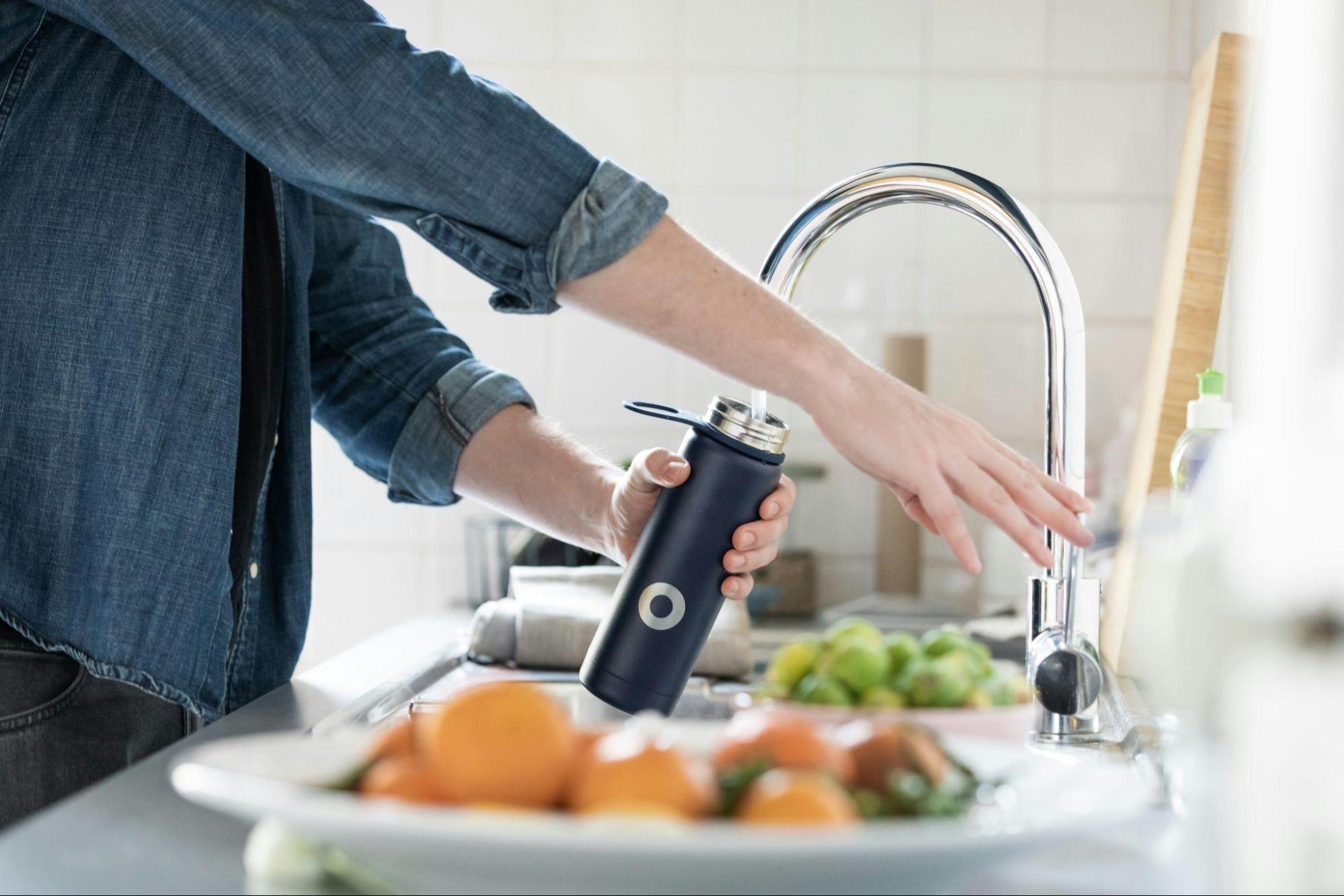
Fatigue isn't always caused by food. Mild dehydration can significantly affect concentration, memory, and physical performance even before noticeable thirst develops.
Many people mistakenly reach for another cup of coffee when they actually need water. While moderate caffeine intake can improve alertness, excessive consumption may contribute to energy crashes later in the day. Drinking water consistently throughout the morning and afternoon helps maintain both cognitive function and physical comfort.
Adding sliced citrus fruits, cucumber, or fresh herbs can make plain water more appealing for individuals who struggle to drink enough fluids. Unsweetened tea can also contribute to daily hydration while providing variety without excessive sugar.
Plan Meals Around Your Work Schedule
Healthy eating becomes much easier when meals fit naturally into a person's daily routine. Employees with unpredictable schedules often benefit from preparing breakfasts, lunches, and snacks the evening before instead of making rushed decisions during the workday.
Starting the morning with a balanced breakfast can improve concentration during early meetings and reduce the likelihood of overeating later in the day. Likewise, scheduling regular meal breaks helps prevent long periods without food, which frequently result in declining productivity and poor food choices.
Portable meals stored in reusable containers allow employees to maintain healthier habits whether they work in an office, travel frequently, or split time between remote and in-person responsibilities. Consistency often matters more than perfection when developing long-term eating habits.
Create Sustainable Habits Instead of Following Short-Term Diets
The most effective workplace nutrition strategies are usually the simplest ones. Rather than constantly changing diets or eliminating entire food groups, many people benefit from gradually improving their everyday eating patterns.
Simple habits such as including vegetables with lunch, choosing protein-rich snacks, drinking more water, and reducing highly processed foods can collectively produce noticeable improvements in daily energy. These routines are also easier to maintain over months and years because they fit naturally into everyday life.
Healthy eating should support work performance without creating unnecessary stress. Flexible routines allow people to enjoy occasional treats while still prioritizing nutritious meals most of the time. Over time, these consistent choices can contribute to better concentration, steadier energy, and improved overall well-being throughout even the busiest workdays.